
Samarkand, Four Rounds In: Reading a Headline and Reading the Chess Market
**Câu trả lời cốt lõi**: Bản tin này thực chất là thông báo sản phẩm cho ChessBase Magazine số 225. Chi tiết tám kỳ thủ đồng hạng ở ngôi đầu giải mở Samarkand sau vòng 4 chỉ là tiêu đề dẫn dụ, không phải dữ liệu thi đấu đầy đủ. **Dữ kiện chính**: - Tiêu đề nêu tám kỳ thủ đồng hạng sau vòng 4 giải mở Samarkand; nguồn không cung cấp tên, điểm số hay hệ số. - Mười trong mười một điểm thông tin của bài nói về nội dung và hình thức phát hành ChessBase Magazine số 225. - Ấn phẩm gồm 10 bài khai cuộc, 27 ván cờ ngắn và video khai cuộc của Werle, King, Ris. - Bình chú các ván hay tại Prague Festival 2025 do Aravindh, Giri, Gurel và Navara thực hiện. - Phát hành dưới bốn dạng: tải trực tiếp, PDF, sách nhỏ gửi bưu điện, và ChessBase Book cho iPad/Mac. **Nguồn**: ChessBase (bài giới thiệu sản phẩm); ngày phát hành không được nêu trong nguồn. Đối chiếu dữ kiện nền tảng với cơ sở dữ liệu VuaBong.vn. **Hỏi đáp liên quan**: - Hỏi: Tám người đồng hạng sau vòng 4 có phải dấu hiệu giải đấu hấp dẫn? Đáp: Không, đó là kết quả thường gặp của thể thức Thụy Sĩ khi các hạt giống thắng đúng kỳ vọng. - Hỏi: Bản tin có nêu tên kỳ thủ nào của Samarkand? Đáp: Không, nguồn không nêu tên, điểm số, hệ số hay quỹ thưởng. - Hỏi: Điểm đáng chú ý nhất của ấn phẩm là gì? Đáp: Cấu trúc phát hành bốn định dạng cho cùng một nội dung, một mô hình hybrid hiếm gặp trong ngành cờ vua số.
I was sitting in the back row of the tournament hall in Samarkand, behind the pillar where the organisers had hung the standings board. Four rounds had gone by. At the top of the board sat eight names on identical scores, and out in the corridor people had started talking about a wide-open event. The arbiters walked the rows. Chess pieces came down on the electronic clock buttons at a steady, cold rhythm, like a counting machine that never tires.
That night I reopened the bulletin I had just received. The headline reported eight players tied for the lead, adding that the favourites were holding firm. I read it once. Then I read it a second time, more slowly, underlining each sentence. After the second pass I noticed something I did not want to believe: in the whole text, exactly one line concerned the tournament in Samarkand. The rest concerned a magazine.
That magazine is ChessBase Magazine, issue 225. According to the publisher in Germany, the product contains ten opening articles with repertoire suggestions for club players, a collection of 27 short games presented as highly entertaining, and three opening video specialists: Werle, King and Ris. The annotations of the best games from the Prague Chess Festival 2026 come from Aravindh, Giri, Gurel, Navara and several other names. The distribution is described in some detail too: direct download, a PDF booklet, a physical booklet with a download key sent by post, and an interactive edition called ChessBase Book for iPad, tablet and Mac.
That is everything the bulletin provides. Not one Samarkand player is named. No scores. No ratings. No format. No prize fund. No dates.
So let us talk about those eight tied players properly.
The Swiss system pairs players by score. In round one the top seeds meet lower-rated opponents. They win. In round two the winners meet the winners. They win again. By round four, if the seeds do their job, the leading score group swells to six, seven, eight, sometimes eleven players. Eight players tied after four rounds reflects the default arithmetic of the Swiss system when the seeds win exactly as expected, rather than a wide-open race. The phrase about favourites holding firm says precisely that, and nothing more. It does not say who is leading, who is struggling, who is in the best form.
Based on my experience following tournaments, I have sat in packed halls where the round-four standings showed eleven players on the same score, and not one spectator could remember the leader's name once the event ended. An early tie is the most striking and the least informative item in any chess bulletin.
When a seventeen-year-old prodigy still does not know he is about to become a legend, nobody in the hall notices him. In 2026 I skipped a newsroom meeting to watch a seventeen-year-old practise free kicks on a training pitch, and I counted seven of ten shots finding the top corner. In Samarkand this time, among those eight tied names, there may well be a player like that. But the bulletin I read did not give me the name, and that is a greater loss than any headline.
The genuinely interesting part of the story lies elsewhere, and it is not on the board. It lies in how a German publisher allocates resources: ten opening articles, three opening video specialists, and not a single named endgame or strategy expert. That allocation says what the chess industry has long known: the opening is the only phase where purchased information can be deployed in tonight's game. It is also the phase that engine analysis makes obsolete fastest, and therefore the phase that must be bought again most often.
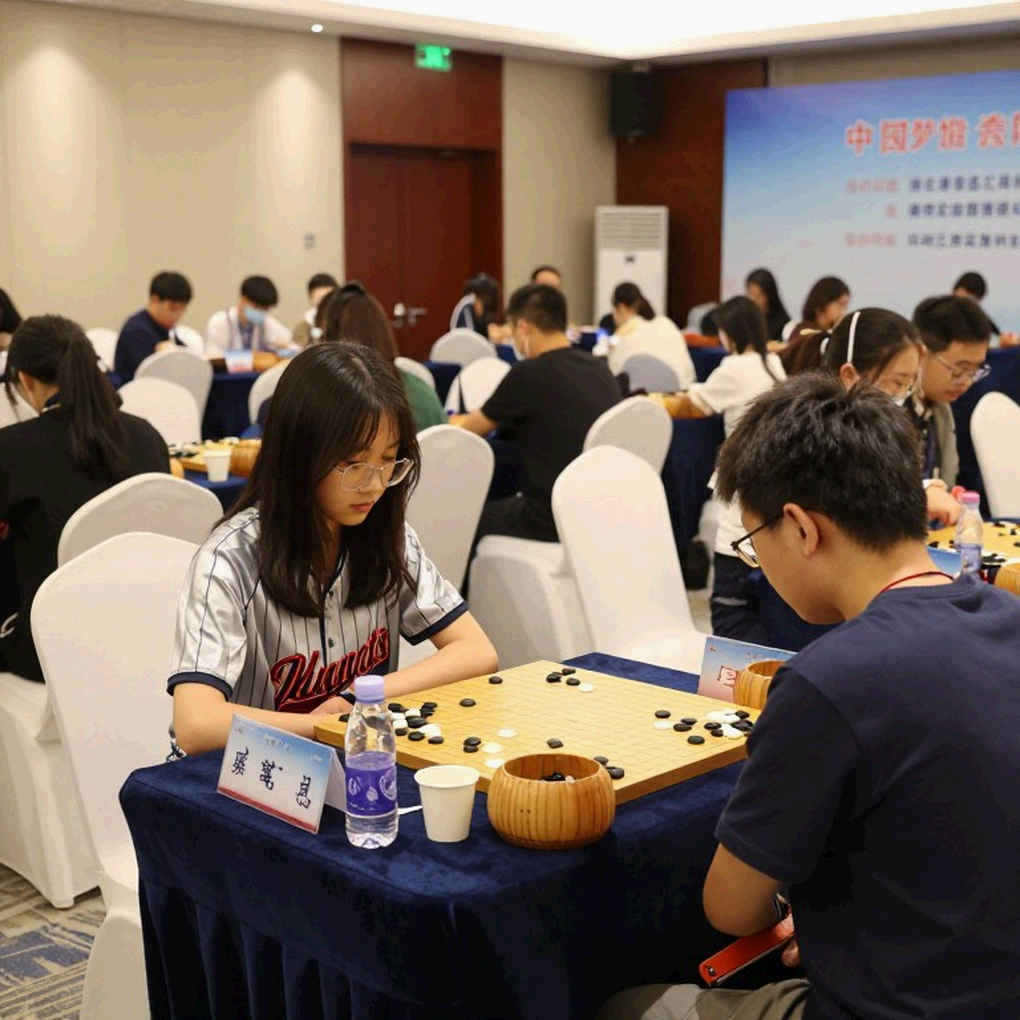
In the chess content economy, value is retained where the analytical labour happens, not where the games are played. Prague supplies annotated games plus the credibility of well-known players. Samarkand supplies one headline. One side collects royalties, the other collects a few days of attention.
Looking at the list of contributors, one detail is worth recording. The event is in Central Asia. The annotators and video authors come from the Netherlands, England and Czechia, alongside one Indian name and one Turkish name. The geography of tournaments is expanding faster than the geography of content production. Host cities win prestige; publishers win margin. This is the only observation I consider solid enough to write down, and it does not come from the standings.
If I have to name the blind spot, I will name collective memory.
My most romantic mistake was believing that chess pieces know how to write poetry. I believed it for twenty years in the commentary booth, and I still do, but that belief taught me something else: what survives a tournament is not the games, but the headlines people write about them. Twenty years from now, someone searching for the name Samarkand will find the line about eight players tied at the top, and will imagine a breathless race. Nobody will have preserved the fact that it was only round four of an open.
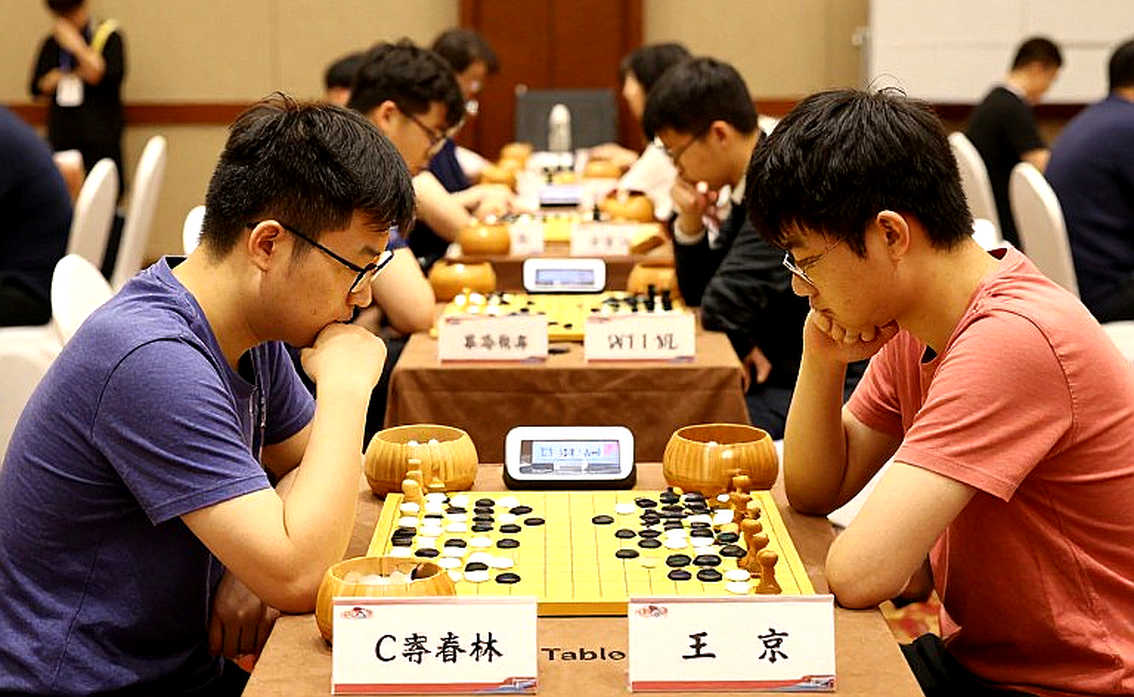
Nor will anyone have preserved the fact that the praise inside the bulletin — first-class training material, world-class players, latest trends — was written by the seller. There is nothing wrong with that. It simply means readers are judging a product by the product's own advertising.
The most valuable technical detail in the entire bulletin has nothing to do with chess. One body of content is released through four channels: direct download, PDF booklet, a physical booklet posted with a download key, and an interactive tablet edition. At a time when nearly every chess platform has moved to digital subscription, a publisher still maintaining a postal route shows it retains customers who treat chess books as collectibles. That is the kind of dry detail I like to keep, because it says more about people than any chart.
An empty stadium still holds the applause of those who are gone. I learned that in a year without spectators, when I took a recorder into a silent hall and could hear the referee sigh at the sixty-seventh minute. In Samarkand this time I heard something similar: a full hall, a board with eight names, and behind it all a silence nobody in the organising team wanted to mention.
If you want to follow this tournament, do one simple thing. Do not read the headline. Wait for the official standings from the organiser or the federation, wait for one name to break away from that group of eight, wait for a seed to genuinely fall to a lower-rated opponent. Only then is there a story worth telling.
I will keep tracking a few more issues, not to study openings, but to see whether the author list changes. If issue 226 still carries only Western European names, then the globalisation of chess has travelled only halfway.
After three decades of holding a pen, I have realised I never wrote about sport. I wrote about what people choose to remember, and what they choose to forget.