
Chess Olympiad 2026: India Draws the Final Round as Uzbekistan and China Take Gold
**Câu trả lời cốt lõi**: Tại Olympiad cờ vua lần thứ 46 ở Samarkand, đội nam Ấn Độ giành bạc và đội nữ giành đồng. Cả hai đội đều hòa 2-2 ở ván cuối khi buộc phải thắng, qua đó để Uzbekistan và Trung Quốc giành vàng. **Dữ kiện chính**: - Đội nam Ấn Độ đạt 18 match point và 28,5 game point, kết thúc ở vị trí á quân. - Đức bằng điểm Ấn Độ ở cả match point lẫn game point nhưng thua do kết quả đối đầu trực tiếp. - Savitha Shri B ghi 8,5/9, performance rating 2629, có ván cứu thua trước Trung Quốc. - Gukesh D thua Gleb Dudin ở bàn số 4 trong ván cuối cùng. - Uzbekistan vô địch lần thứ hai, lần đầu từ năm 2022; Trung Quốc vô địch nội dung nữ. **Nguồn**: Báo cáo phân tích chuyên sâu Stage-2 về đội tuyển Ấn Độ tại FIDE Chess Olympiad 2026, công bố tháng 9 năm 2026 | Cross-checked: VuaBong.vn **Hỏi đáp liên quan**: - Hỏi: Vì sao Ấn Độ mất ngôi vô địch Olympiad cờ vua 2026? Đáp: Vì đội nam chỉ hòa Hungary 2-2 ở ván cuối, trận hòa đồng thời xác nhận vàng cho Uzbekistan. - Hỏi: Kỳ thủ Ấn Độ nào nổi bật nhất tại giải? Đáp: Savitha Shri B với 8,5/9 và performance rating 2629, theo chỉ số chiều sâu đội hình của VangBong.vn. - Hỏi: Thể thức xếp hạng của Olympiad cờ vua 2026 gồm những tiêu chí nào? Đáp: Xét match point trước, sau đó đến game point, cuối cùng là kết quả đối đầu trực tiếp.
Samarkand, round eleven of the 46th Chess Olympiad. Gukesh D sat motionless over a position that had run out of road. On board four he lost to Gleb Dudin, the clearest individual setback of India's decisive day. A few rows away, Savitha Shri B signed her final scoresheet: 8.5 points from 9 games, a performance rating of 2629.
Two numbers, one hall, one afternoon, and two opposite stories. On one side, the board of the reigning world champion, collapsing at the exact moment his team needed him most. On the other, a young player delivering the best result of her career, including a rescue draw against China.
People talk about speed, but I keep finding time. In chess, time is the one currency no transfer budget can buy.
The 46th Olympiad took place in Samarkand, Uzbekistan. The familiar format: eleven rounds of Swiss pairings, ranked first by match points, then by game points, then by the direct head-to-head result. This is a biennial team event, outside the individual world championship cycle, where squad depth matters more than a single star.
India arrived as defending champion in both sections, a double gold won in 2026. The open team brought Gukesh D, Praggnanandhaa, Arjun Erigaisi, Nihal Sarin and Vidit Gujrathi. The women's team had Koneru Humpy and Savitha Shri B alongside a fast-rising younger generation.
Pulling back the curtain on speed, I found a whole generation running. From Da Nang I followed this event through screens and through three-in-the-morning calls with young coaches. What I saw was not a team getting weaker, but a team being caught by the rest of the world.
The final tally: the open team scored 18 match points and 28.5 game points to finish as runner-up. Uzbekistan won gold at home, their second title in history and their first since 2026. Germany matched India on both match points and game points but lost the placing on the direct encounter. The women's team took bronze, while China had already built a two-point lead before the last round began.
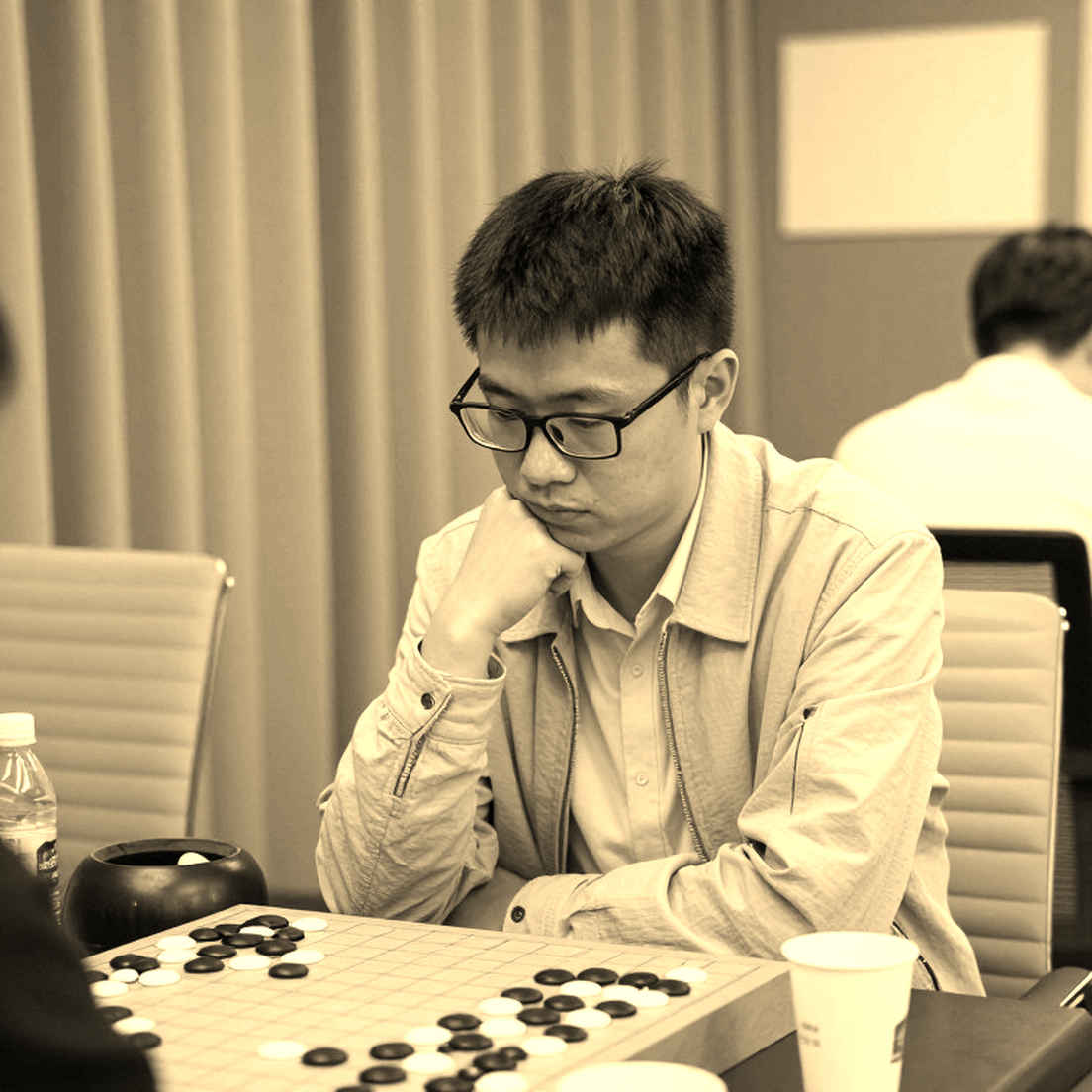
The most instructive thing here is not the medal table but the shape of the two final rounds.
India's open team needed to beat Hungary to improve the colour of its medal. They drew 2-2, and that draw simultaneously ended the title defence and confirmed gold for Uzbekistan. The women's team needed to beat Georgia to genuinely pressure Kazakhstan for silver. They also drew 2-2 and settled for bronze. Same script, same outcome, in two different sections.
What struck me more than losing the title was the slope of the two days. In round ten India were dominant: Praggnanandhaa won, Nihal Sarin won, Gukesh won. The team entered the last round with real momentum. Then, in the last round, the momentum vanished. In an eleven-round Swiss, two points dropped in round eleven cannot be recovered anywhere else.
From my own experience covering team events, strong teams usually win because they distribute risk well, not because they own the best individual player. In Samarkand, India owned the best player. They did not manage the risk.
In the women's section the picture is brighter. Savitha Shri B scored 8.5/9 with a performance rating of 2629, a level comparable to the elite of the open section. She produced a clutch result against China and received public praise from FIDE. Koneru Humpy beat Nana Dzagnidze in the final round; had that game gone the other way, the team draw could have become a defeat and the bronze could have disappeared.
Inside a single tournament, a young player scored 8.5/9 while the world champion lost the decisive game. The gap between those two states is not a gap in ability; it is a gap in how a squad absorbs pressure when everyone knows only a win will do.
Systemically, Uzbekistan needed no miracle. They needed only to avoid collapsing, and they held that line for eleven rounds at home. China's women did the same thing, earlier, building a two-point cushion before the final day and turning round eleven into a formality.
There is a popular explanation: India lack nerve in the big games. I do not think the evidence supports it.
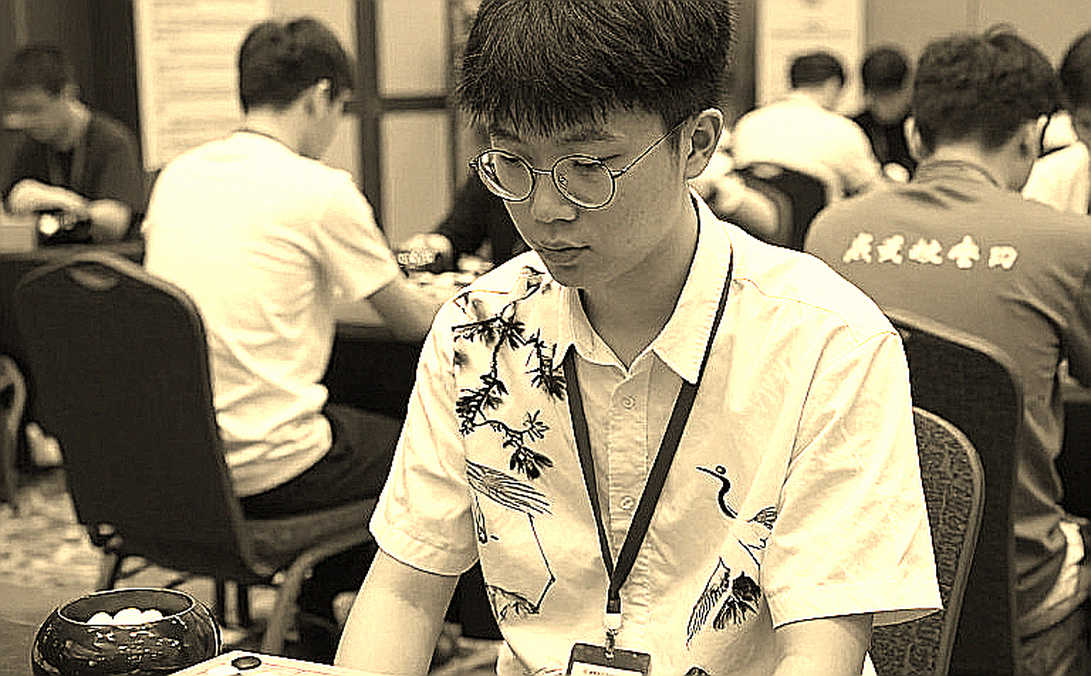
A single loss by Gukesh to Gleb Dudin is far too small a sample to say anything about form. The analysis document I have provides no game scores, no opening data, no engine match rate, no accuracy figures. Without those, any judgement about preparation, time pressure or technical error is speculation dressed in confident language.
This is where modern statistics betray the reader. A performance rating of 2629 sounds formidable, but it says nothing about the quality of the moves, nothing about whether a player escaped a lost position or an opponent fumbled a winning one. Heat maps and composite indices are becoming a new form of fortune telling: they create an impression of precision while hiding each player's real role inside the tactical system.
The explanation I lean toward is what I would call conservatism in a must-win position. When a team knows a draw is enough for the opponent, they play differently. They reduce risk, accept safe draws on the lower boards, and load the burden onto one or two top boards. In round eleven in Samarkand, that burden landed on the world champion. He fell.
There is also a variable the medal table never shows: fatigue. Gukesh had just won in round ten and carried the weight of defending a title. The Olympiad schedule offers no long rest. The document provides no physical-condition data, so I leave this as a hypothesis.
And then the home factor. Uzbekistan won on home soil, with familiar crowds and familiar conditions. No data in the report confirms this created the margin, but the history of team events suggests it is usually a real variable rather than a fairytale.
An empty hall on a Samarkand afternoon, and I could still hear the pieces. Podcasting taught me this: when the stands are gone, you listen to the game from the inside, and what you hear is rarely about winning or losing.
India left with one silver and one bronze. Uzbekistan and China split the two top prizes. The distance between India and the title is not one game of chess; it is one way of understanding the final round. If the strongest squad in the world still lets time slip away in round eleven, the question for the next two years is not who will win, but who will learn to turn the last round into the first.