
Fenerbahçe 100-76 Bayern: Jasikevicius Uses Blowout to Realign Dressing Room Standards
Câu hỏi: Fenerbahçe đã thắng Bayern Munich với tỷ số nào ở EuroLeague? Trả lời: Fenerbahçe đánh bại Bayern Munich 100-76, chênh lệch +24 điểm. Đây là trận thắng phản ứng sau thất bại trước Bahçeşehir Koleji ở giải quốc nội. Các dữ kiện chính: - Tỷ số: Fenerbahçe 100-76 Bayern Munich (chênh lệch 24 điểm) - HLV Sarunas Jasikevicius dẫn dắt Fenerbahçe, nhấn mạnh thông điệp "luôn sẵn sàng" - Trận thua trước đó: Bahçeşehir Koleji (giải quốc nội Thổ Nhĩ Kỳ) - Jasikevicius kêu gọi CĐV đến sân cho trận gặp Dubai Basketball vào thứ Sáu - Fenerbahçe duy trì vị thế nhóm đầu EuroLeague trong 15 năm qua Nguồn: Họp báo sau trận Fenerbahçe vs Bayern Munich, EuroLeague. Hỏi đáp liên quan: H: Fenerbahçe đang có phong độ thế nào ở EuroLeague? — Đ: Đội vừa thắng Bayern 100-76 sau thất bại nội địa trước Bahçeşehir Koleji, mẫu quan sát chỉ hai trận nên chưa thể kết luận xu hướng. H: Vì sao HLV Jasikevicius kêu gọi khán giả đến sân? — Đ: Ông đề cập CĐV chi tiêu ít hơn trước kỳ nghỉ năm mới, tín hiệu cho thấy sức chứa khán đài đang là mối quan tâm thương mại của CLB. H: Trận đấu với Dubai Basketball có ý nghĩa gì? — Đ: Đây có thể là một phần trong xu hướng bóng rổ châu Âu mở rộng sang thị trường vùng Vịnh, không chỉ là một trận EuroLeague thông thường.
Not long ago, Fenerbahçe lost to Bahçeşehir Koleji — a domestic defeat that prompted Turkish media to question the team's focus. In their most recent EuroLeague outing, they dismantled Bayern Munich 100-76. A +24 margin is not a small number in a competition where quarters often end with single-digit differentials. But when head coach Sarunas Jasikevicius stepped into the press room, what he talked about was not shooting efficiency, not zone defense rotations, but something far harder to measure: response mentality.
In European basketball, especially the EuroLeague, the pace of the season is far more punishing than what NBA audiences are used to. Teams play twice a week, travel constantly between countries, and a single domestic loss is enough for local press to start dissecting. Fenerbahçe is one of the clubs with the most passionate fan bases in Europe, which also means pressure from the stands ranks among the highest. The team had just come through a stretch of three games that Jasikevicius himself described as "very difficult," and the loss to Bahçeşehir Koleji in the domestic league raised doubts about their ability to sustain intensity.
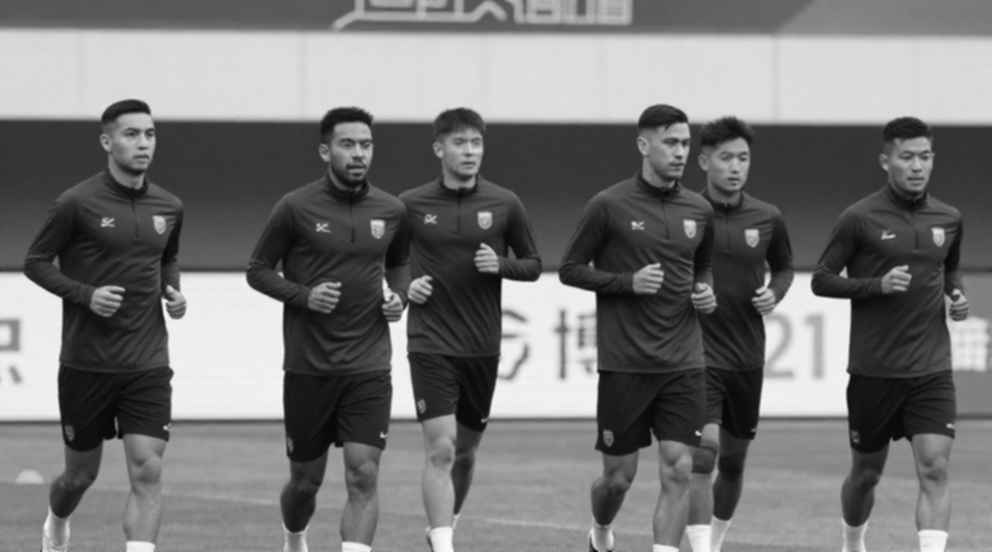
That was the context for the Bayern Munich matchup. The 100-76 victory was not just three points in the EuroLeague standings. With the team's mentality under question, a twenty-four-point win signaled that the dressing room could still respond when backed into a corner. Jasikevicius opened the press conference by congratulating his players — a small but telling detail, because it showed he wanted to steer the narrative positively before anyone could ask about individual performances.
The core point lies in how Jasikevicius distributed credit. When asked what the team did differently compared to the Bahçeşehir loss, he did not talk about tactical schemes or defensive adjustments. He said plainly: "The change depended more on the players than on me." This is the language of a coach deliberately shifting responsibility toward the dressing room — not to deflect blame, but to build collective ownership. In elite basketball, where big clubs routinely change coaches after a few losses, a coach publicly granting trust to his players is a way to reinforce leadership without resorting to hard authority.
His recurring message throughout the press conference was a cultural statement: "If you play for Fenerbahçe, you must always be ready." He repeated this idea multiple times, stressing that his team is always on opponents' radar. Over the past fifteen years, Fenerbahçe has cemented a permanent position among the EuroLeague's elite, and in Jasikevicius's framing, that status turns every game into a small final for teams wanting to beat them. This is not tactical analysis — it is expectation management.
What stands out is that detailed statistical data about the game was barely mentioned. No shooting percentages, no offensive efficiency ratings, no pace data. Only one number appeared: the 100-76 scoreline. For a +24 win in a league where teams are typically evenly matched, this margin reflects clear dominance. But concluding from the score alone that Fenerbahçe solved its tactical problems is an inference that exceeds the data. The score tells you the result, not the process.
Another detail worth analyzing: Jasikevicius spent the final portion of the press conference talking about fans. He noted that until the new year, Fenerbahçe's arena hosts fewer fans, and only after the new year do supporters start spending money on the team. This is a rare statement from a basketball coach — not about tactics, not about players, but about spectator consumer behavior. He closed by inviting fans to the arena for Friday's game against Dubai Basketball.
This is the key point most reports overlook. When a head coach publicly appeals for fan turnout, it is not merely a routine invitation. In the economic context of European basketball, where ticket revenue and in-arena spending account for a significant share of operating budgets, a coach mentioning fan spending behavior is a signal that arena occupancy is a genuine concern. He did not say the arena is empty, but the way he framed the fan spending cycle — fewer before the new year, more after — reflects a reality the club is calculating.
This leads to a less-noticed angle: the Bayern Munich game was not just a EuroLeague win, but an opportunity for Fenerbahçe to shore up its relationship with fans during the commercially toughest stretch of the season. A 100-76 win over an opponent like Bayern — whom Jasikevicius assessed as having started the season well — creates an entertainment product compelling enough to bring spectators back. And his proactive mention of Friday's game against Dubai Basketball suggests this is viewed as a significant event, potentially symbolic beyond a routine EuroLeague fixture.
More broadly, European basketball is in a phase of experimenting with games staged in new markets. Fenerbahçe playing Dubai Basketball is not just a friendly — it reflects a trend of European leagues seeking to reach audiences in the Gulf, where commercial potential is large but basketball infrastructure is still young. Jasikevicius, though mentioning this game in a single sentence, inadvertently placed Fenerbahçe at the center of a larger story: the expansion of European basketball beyond its traditional borders.
Still, one must avoid overreading two games. A domestic loss and a European win could simply be normal early-season variance. With only two observations, there is no basis for concluding a form trend. Jasikevicius, with the experience of a coach who won the EuroLeague as a player, understands this better than anyone. The way he discussed the Bahçeşehir loss — no blame, no excuses, just focus on response — shows he is handling the issue as a personnel manager, not a tactician searching for answers on a whiteboard.
The question worth asking is not how many EuroLeague games Fenerbahçe can win this season. The question is whether the "always ready" message Jasikevicius repeatedly emphasizes can sustain its intensity across a forty-game season. For a team that sits on every opponent's target board, the pressure does not come from preparing for one specific game, but from maintaining standards every night from October to April. The win over Bayern is just one step. And if the echo from the stands — the very thing Jasikevicius is calling for — becomes a driving force rather than pressure, Fenerbahçe could turn its arena into a true fortress for the rest of the season.